


Extreme reliability requirements
Nuclear and physics research tests run over long periods with strict validation criteria. Measurement chains must deliver consistent stability and repeatability.

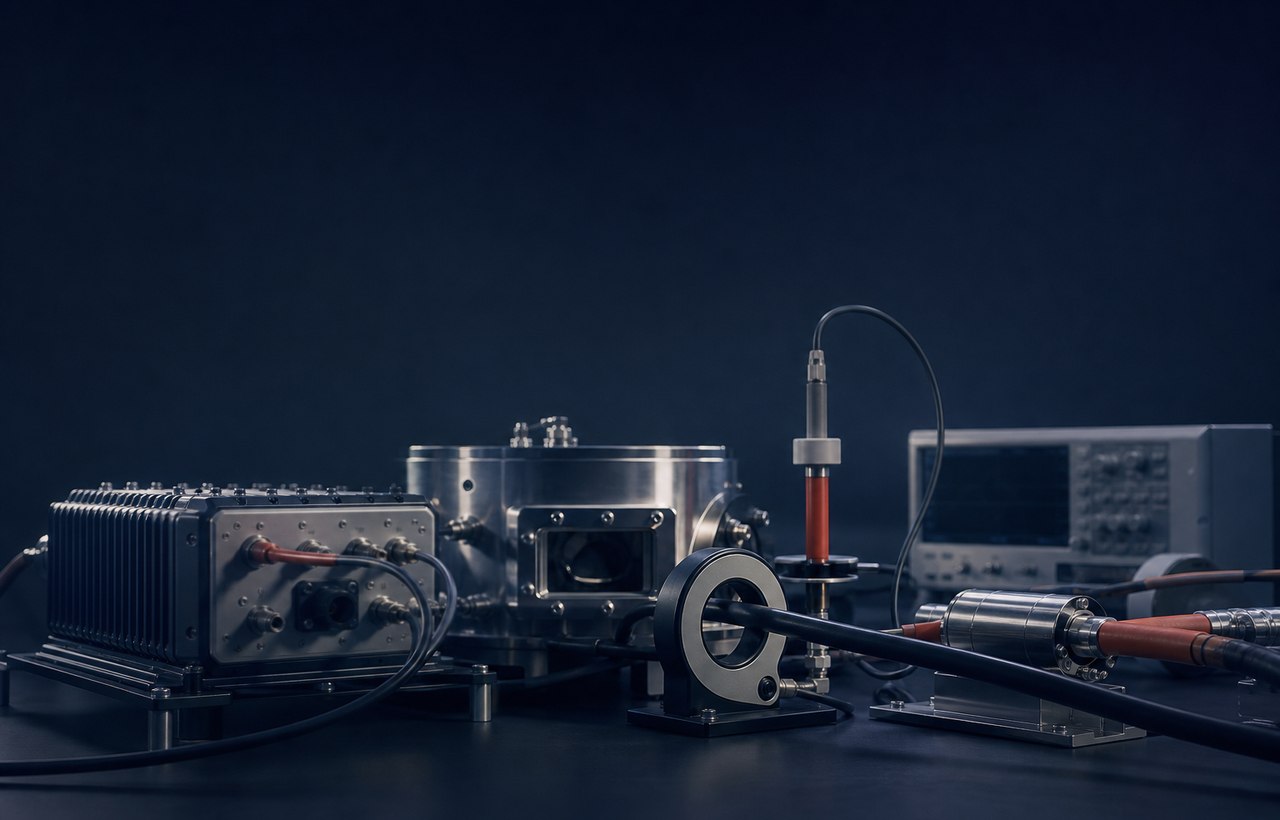
High-voltage, high-current, and precision measurement for nuclear equipment validation, particle and nuclear physics experiments, and high-reliability research applications.
Nuclear and physics research tests run over long periods with strict validation criteria. Measurement chains must deliver consistent stability and repeatability.
Particle physics and nuclear experiments involve high-voltage pulses, power drives, and strong interference — placing high demands on probe safety and waveform fidelity.
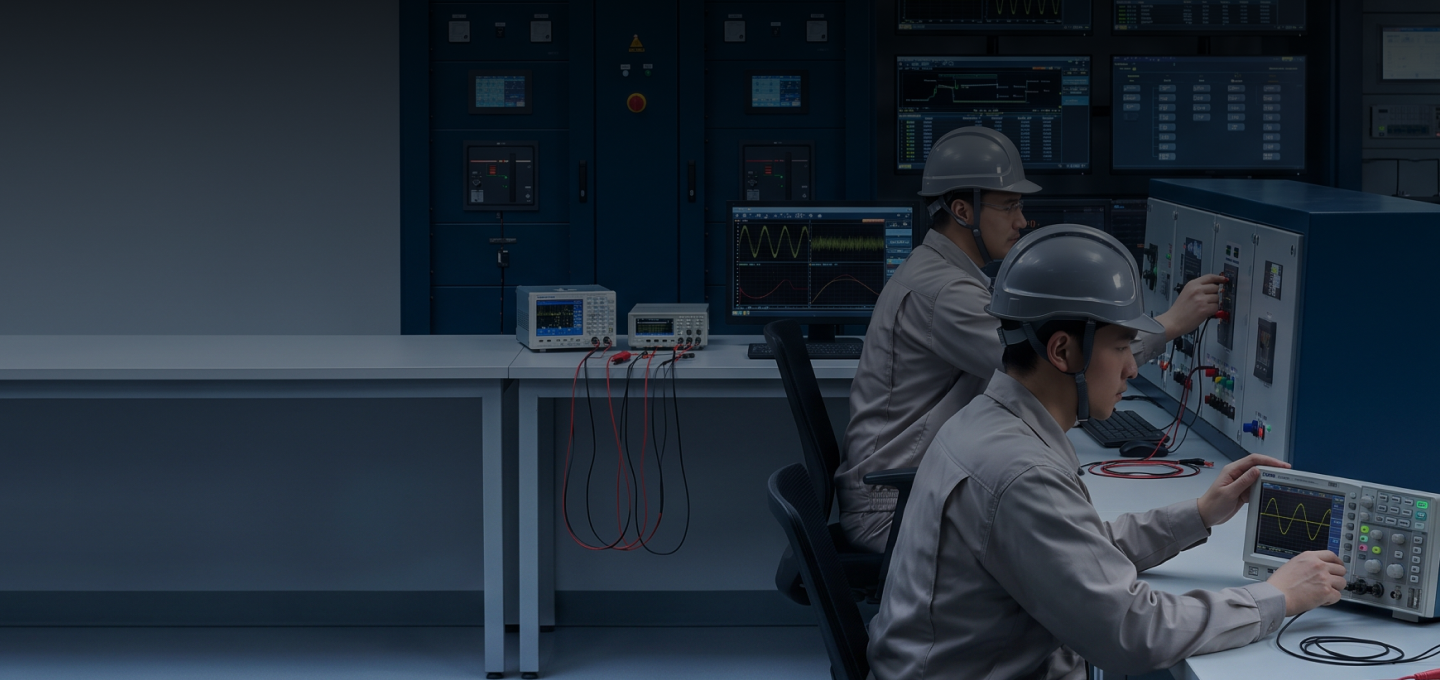
Equipment validation and experiment debugging often require simultaneous voltage, current, trigger, and system-response monitoring with reliable synchronization.
In nuclear equipment validation and particle physics experiments, measurement quality depends on long-term stability, noise immunity, and data credibility — not just single-shot waveform capture.

Measurement tools must remain dependable under demanding development and validation conditions.

The measurement chain is designed for practical lab, production, and troubleshooting environments.

Selection guidance, usage support, and maintenance services help reduce lifecycle friction.

Verify supply stability, current behavior, and control response in critical equipment subsystems for R&D and maintenance.

Capture key electrical signals during high-voltage pulse, power drive, and experimental apparatus debugging.

Measure voltage, current, and pulse response in high-voltage plasma-related experiments.

Run extended stability tests on critical measurement chains to reduce drift, noise, and connection-related errors.